Healthcare mobility

Healthcare mobility for safer identification and traceable care

Plan clinical barcode capture, mobile nursing, specimen traceability and hospital logistics around patient identity, cleaning, Wi-Fi and application validation.

Plan a pilot

Operational challenge

Build around the real work.

Clinical mobility links people, medication, specimens, supplies and records. The device must support reliable identity checks, disinfectant routines, shared-shift operation and hospital Wi-Fi without turning a scan into an unverified clinical decision.

  • Bring patient and item identification to the point of care
  • Keep medication, specimen and supply events traceable
  • Match cleaning, battery and shared-device policies to each department
  • Validate the clinical application and exception paths before rollout

Workflow map

Connect each task to a reliable capture step.

01

Patient and medication verification

Scan the patient identifier and ordered item within the clinical application, then preserve explicit mismatch and unreadable-code handling.

02

Specimen collection

Confirm the patient, order, container and collection event before label handoff and laboratory transport.

03

Hospital logistics

Track pharmacy, SPD consumables, blood products, equipment and internal deliveries with accountable custody events.

Practical guide

How to turn the workflow into a deployable system.

Use these steps to structure discovery, application validation and the pilot before committing to a volume device order.

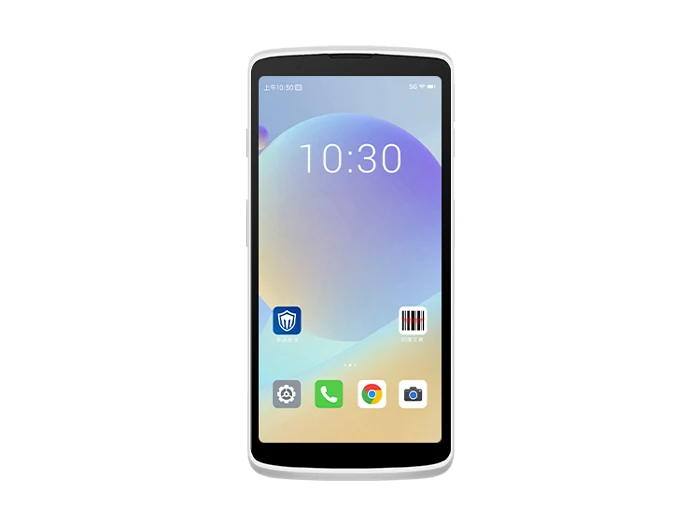
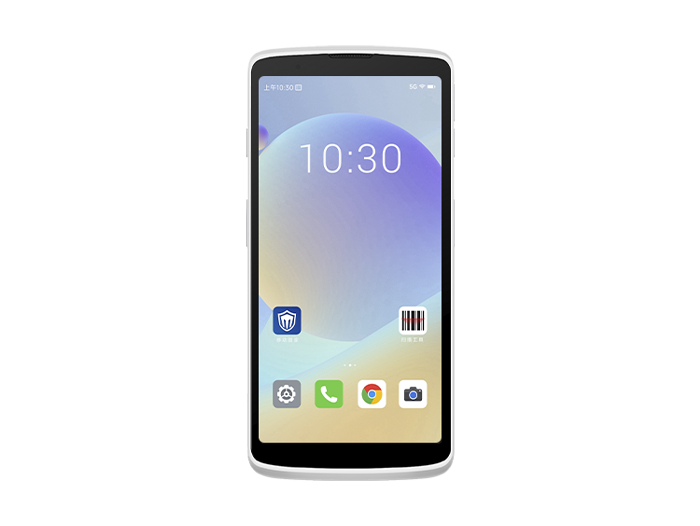
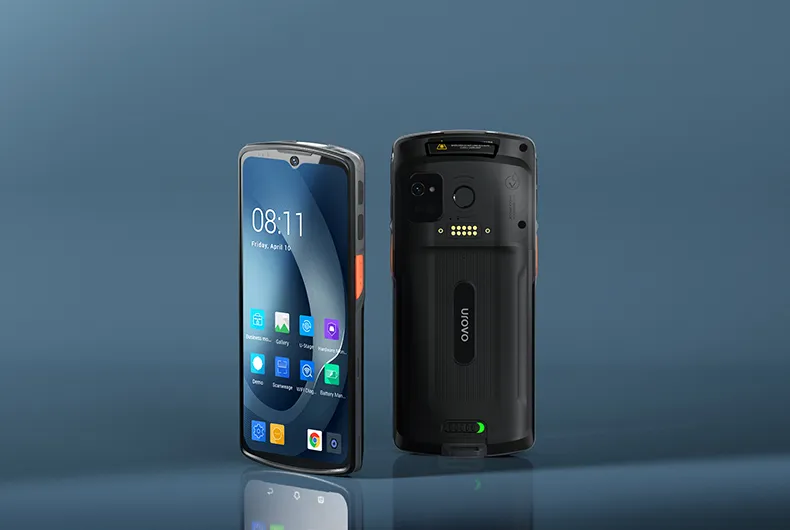
UROVO DT50 5G Medical handheld for point-of-care identification workflows
Point-of-care verification

01 / Point-of-care verification

Make the application compare identities before the clinical action.

A barcode does not decide whether treatment is correct. It gives the clinical application a reliable identifier to compare with the signed-in user, patient record, order, medication or procedure. Design the screen so a match, warning and hard stop are visually distinct and cannot be dismissed by habit.

Collect representative wristbands, unit-dose labels and specimen containers without using live patient data. Test curved surfaces, condensation, small print and partially damaged codes. When a code cannot be read or the identities disagree, the workflow must direct staff to the hospital-approved exception process instead of encouraging manual workarounds.

Confirm during discovery

  • User, patient, order and item identity chain
  • Representative non-live clinical labels
  • Clear match, warning and stop responses
  • Approved mismatch and unreadable-code procedure
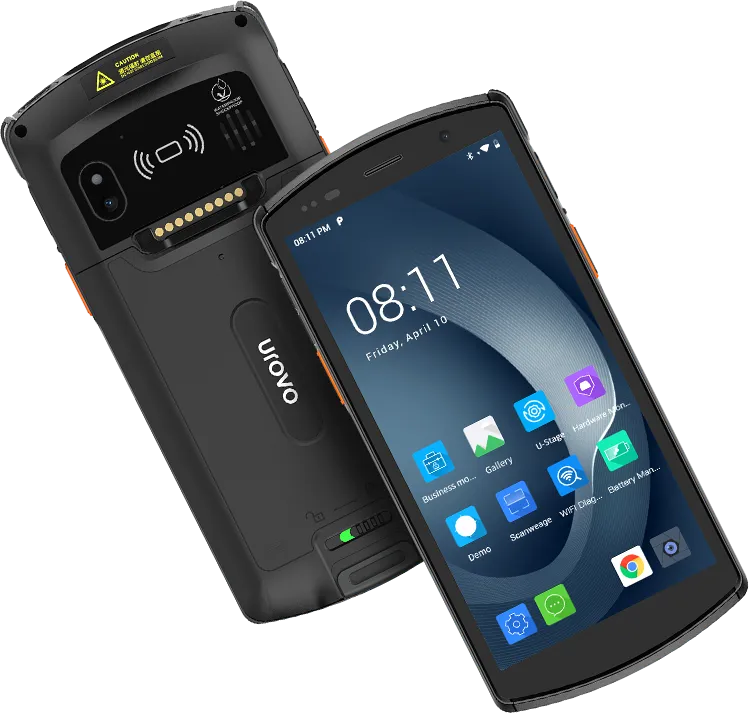
SEUIC CRUISE2 5G-HC Pro medical handheld for shared nursing workflows
Shared clinical devices

02 / Shared clinical devices

Treat cleaning, sign-in and charging as part of every handoff.

A shared device passes between users, rooms and shifts. Confirm the approved disinfectants and wipe method for the exact enclosure and accessories, then make cleaning practical at the handoff point. Cases, cradles and exposed ports need the same review as the handheld itself.

The next user must not inherit the prior session or patient context. Test sign-out, timeout, badge or password authentication, application relaunch and MDM policy together. Charging capacity should cover peak handoff periods, with a clear process for low batteries and devices removed for cleaning or repair.

Confirm during discovery

  • Approved disinfectant and wipe frequency
  • Accessory and cradle cleaning method
  • Session clearing and user re-authentication
  • Shift-change charging and spare-device capacity
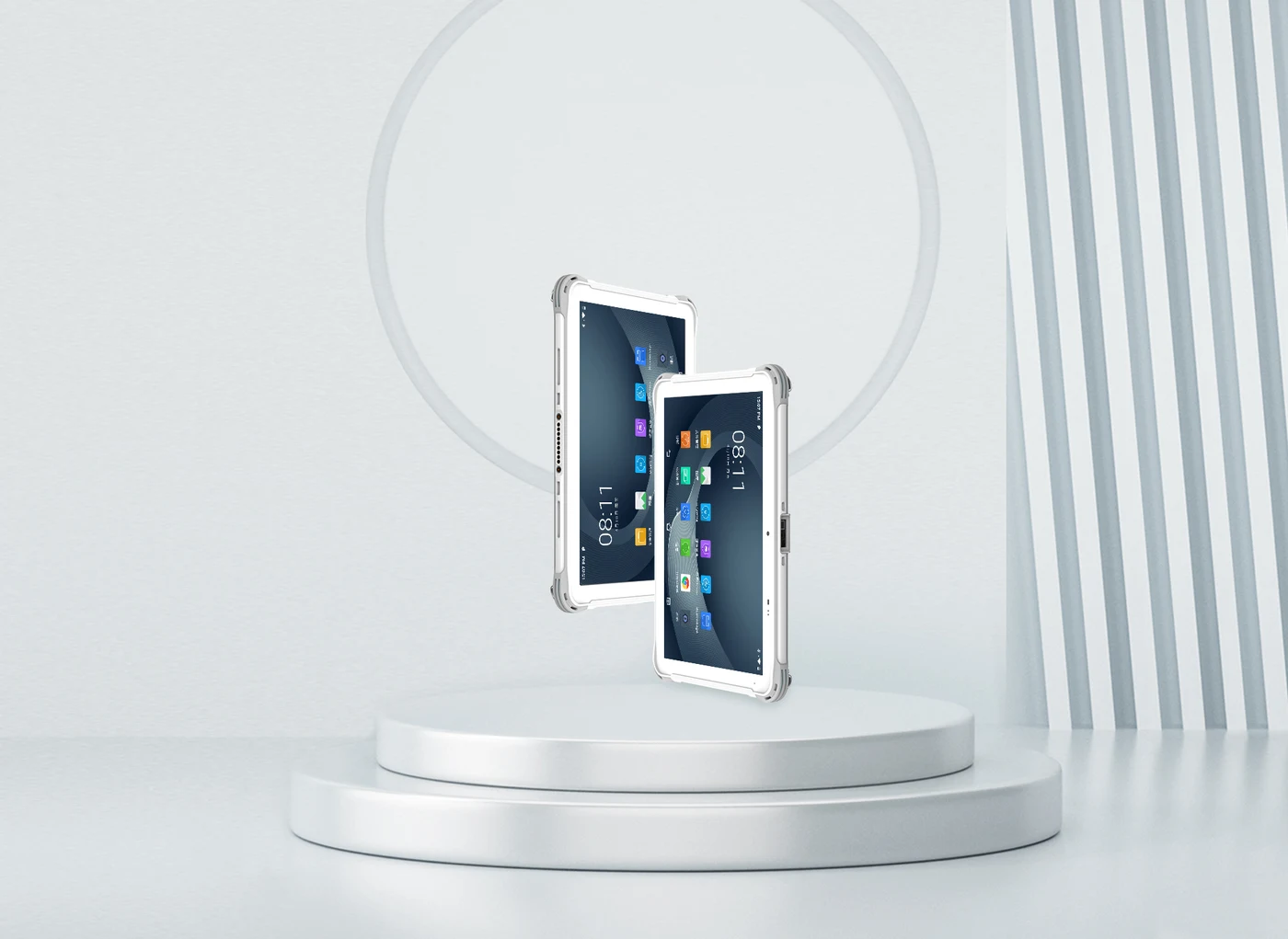
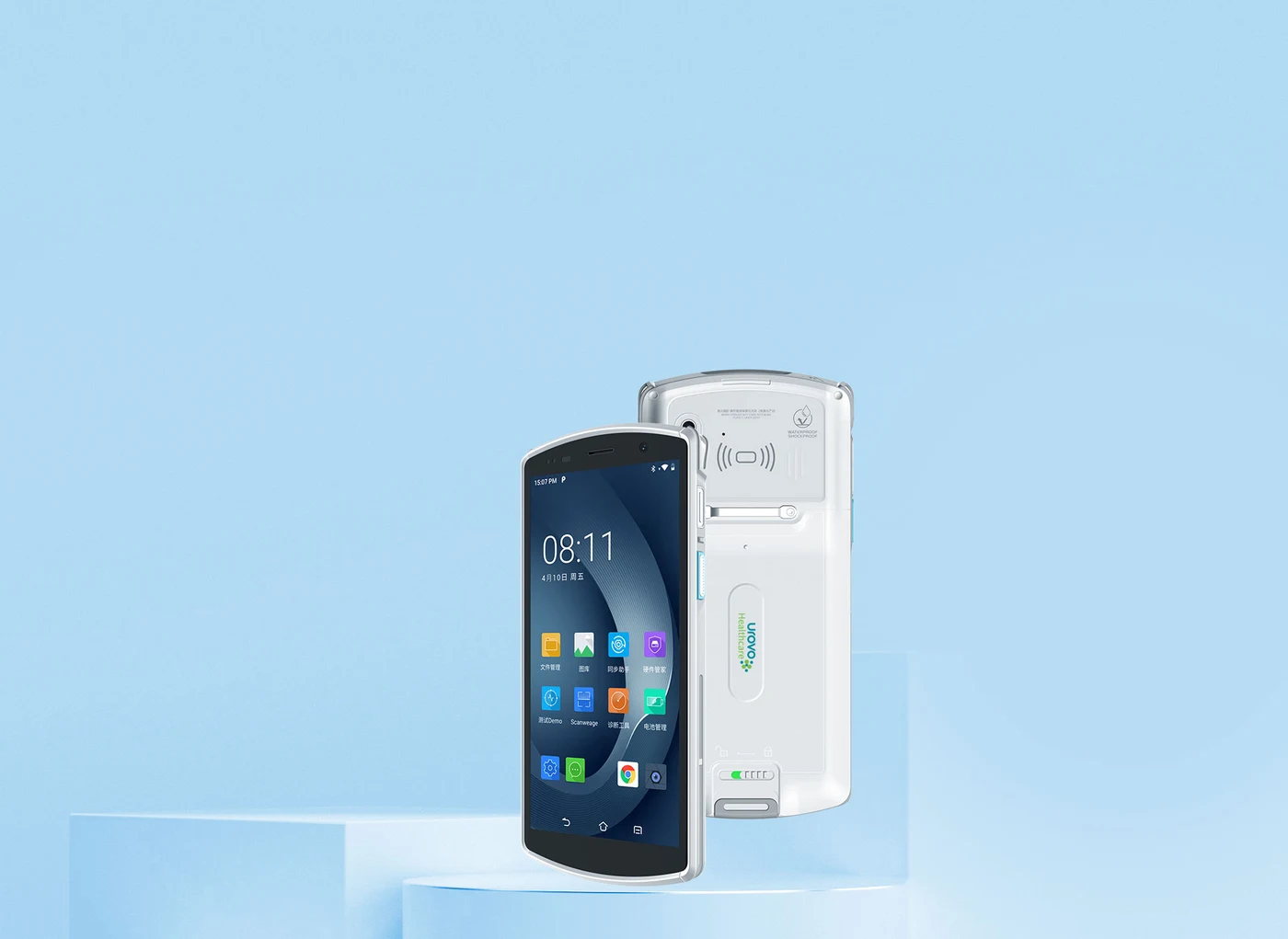
UROVO P8100H healthcare tablet for rounds and hospital documentation
Hospital systems and logistics

03 / Hospital systems and logistics

Pilot clinical and supply workflows with separate acceptance rules.

Mobile nursing, laboratory collection, pharmacy, blood products and SPD logistics share identification technology but have different safety and audit requirements. Keep each workflow scoped to its system owner, data rules and downtime procedure. A successful stockroom pilot does not prove a patient-care workflow is ready.

Run the device with production-like identity, hospital Wi-Fi, MDM and the target application in a controlled unit. Record roaming, login time, first-read success, battery, cleaning and every exception. Clinical governance and application owners approve the workflow; the hardware shortlist is only one part of that decision.

Confirm during discovery

  • Named clinical and application owner
  • EHR, LIS, pharmacy or logistics interface scope
  • Hospital Wi-Fi roaming and downtime recovery
  • Separate acceptance criteria for each workflow
Required capabilities

Specify what the system must do before choosing a model.

Identity-first capture

Validate wristbands, medication labels, specimen containers and supply codes at representative angles and lighting.

Cleaning compatibility

Confirm enclosure materials, approved disinfectants, wipe frequency and port or accessory exposure for the target unit.

Shared-shift operation

Plan sign-in, handoff, charging, battery replacement and device assignment without retaining the prior user session.

Clinical network resilience

Test hospital Wi-Fi roaming, authentication, downtime behavior and safe recovery before production use.

Software and deployment

Keep hardware, application and operations in one scope.

  • EHR, mobile nursing, laboratory and pharmacy applications
  • Patient, medication, specimen and supply barcode workflows
  • Hospital Wi-Fi, identity, MDM and shared-device policy
  • Audit events, exception handling and downtime procedures

Starting configurations

Products to include in the first shortlist.

These are practical starting points, not automatic recommendations. RuggedLayer confirms the best fit against the application, environment and target market.

UROVO DT50 5G Medical healthcare mobility product image

UROVO / Healthcare mobility

DT50 5G Medical

Healthcare-oriented handheld starting point for mobile clinical capture.View product details
UROVO P8100H healthcare mobility product image

UROVO / Healthcare mobility

P8100H

Healthcare tablet starting point for screen-led rounds and documentation.View product details
SEUIC (Dongji) CRUISE2 5G-HC Pro medical mobility product image

SEUIC (Dongji) / Medical mobility

CRUISE2 5G-HC Pro

Medical mobility option for connected nursing and hospital operations.View product details

Pilot plan

Validate the workflow before volume deployment.

  1. 01

    Map the safety-critical steps

    Document identifiers, clinical roles, software checks, cleaning rules and every mismatch or downtime path.

  2. 02

    Validate representative codes

    Test real-format wristbands, medication labels, specimens and supplies without using live patient data.

  3. 03

    Run a controlled unit pilot

    Measure read success, login and roaming behavior, battery use, cleaning fit and user handling.

  4. 04

    Approve the operating standard

    Freeze the device configuration, accessories, application release, MDM profile, cleaning method and support process.

RuggedLayer Application Validation

Turn this workflow into a device and pilot plan.

Share the application, environment, country, capture requirements and expected volume with RuggedLayer.

Plan a pilot