Manufacturing traceability

Connected data capture for manufacturing operations

Design mobile barcode, DPM, RFID and vision workflows for material traceability, production, quality and line-side logistics.

Plan a pilot

Operational challenge

Build around the real work.

Manufacturing capture must work with difficult codes, gloves, noise, fixed stations, moving materials and production systems while preserving traceability through every exception.

  • Capture material and work-order events at the point of use
  • Improve traceability across production and quality steps
  • Select handheld, fixed, DPM or vision capture by station
  • Validate MES and ERP transactions before deployment

Workflow map

Connect each task to a reliable capture step.

01

Material movement

Identify incoming material, line-side replenishment, WIP transfers and finished goods.

02

Production execution

Confirm work orders, components, routing steps and operator actions.

03

Quality and genealogy

Record inspections, nonconformance, rework and product history with reliable identifiers.

Practical guide

How to turn the workflow into a deployable system.

Use these steps to structure discovery, application validation and the pilot before committing to a volume device order.

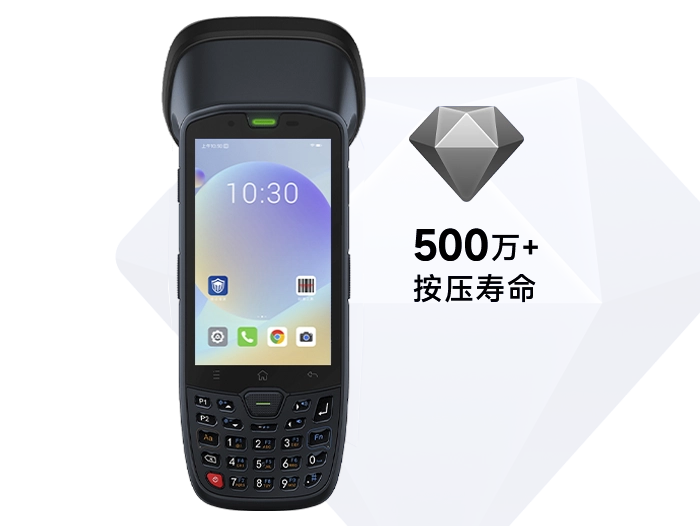
SEUIC AUTOID 10-DPM terminal for reading directly marked manufacturing codes
Code and station study

01 / Code and station study

Use the hardest marked code to define the capture method.

Manufacturing codes may be printed, laser marked, dot-peened or etched onto curved and reflective surfaces. Collect samples from normal production, rework and reject conditions. Record the size, contrast, material, distance, angle, lighting and line speed instead of describing every code simply as a QR code.

A DPM-capable reader is useful only when it reads the production mark repeatedly without slowing the station. Test the complete range of acceptable and marginal codes, then define what the operator does when a code cannot be read. Manual entry should be controlled and auditable rather than an invisible shortcut.

Confirm during discovery

  • Good, marginal and rejected code samples
  • Surface, lighting, angle and working distance
  • Read feedback in a noisy station
  • Controlled unreadable-code and manual-entry process
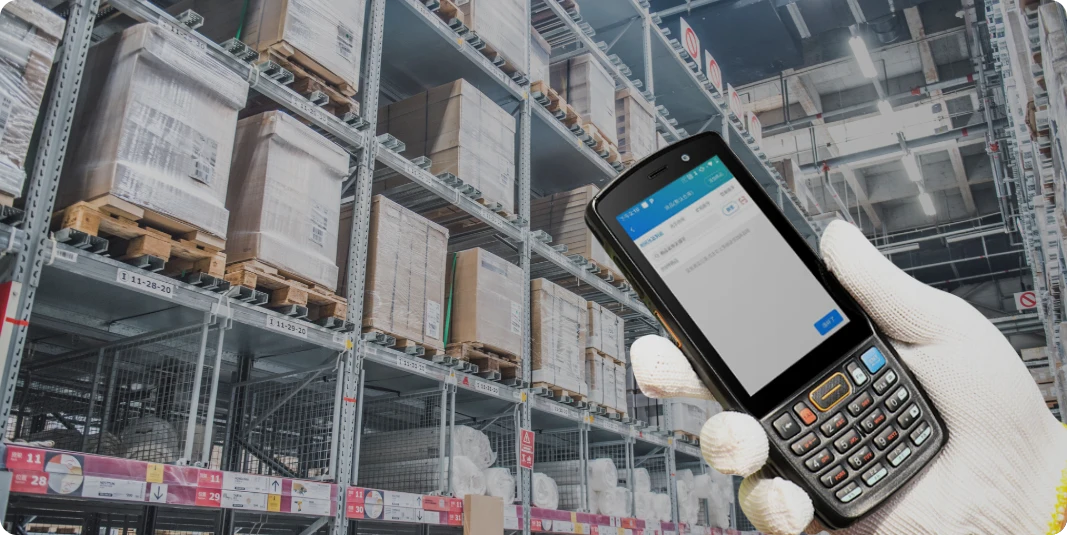
UROVO DT40 Series mobile computer for line-side traceability
Production traceability

02 / Production traceability

Connect each scan to a material, operation and result.

A scan by itself does not create genealogy. The MES or production application must know which work order, station, operator, component and operation the event belongs to. Define when the system validates before work, when it records completion and how it handles a component that belongs to another order.

Keep the screen focused on the current station. Operators need a clear pass, warning or stop response, plus a route for supervisor review. Synchronization should preserve event order and identifiers if the network is interrupted, because late or duplicated records can break the traceability chain.

Confirm during discovery

  • Work order, station and operator context
  • Component-to-product validation rule
  • Rework, scrap and supervisor override
  • Offline event order and duplicate protection
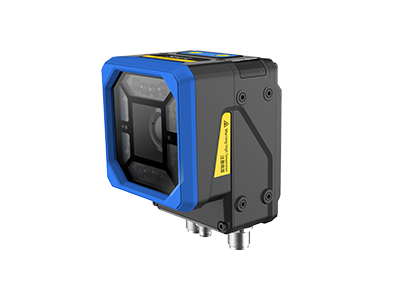
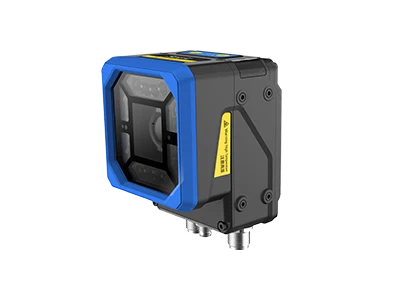
SEUIC X5 Pro visual reader as a fixed manufacturing capture option
Station rollout

03 / Station rollout

Approve a different physical setup where the work really differs.

A handheld may suit material movement while a fixed reader is better at a repetitive station. Vehicle mounts, tablets and wearable scanners solve other movement patterns. Standardization should reduce unnecessary variants without forcing one form factor into every job.

For each station type, document the reader, mount, cables or charging, host interface, software release and recovery owner. Run the pilot at production pace and measure first-read success, retries, cycle impact and operator intervention before purchasing at scale.

Confirm during discovery

  • Handheld versus fixed capture decision
  • Mount, cable, power and trigger arrangement
  • Production-rate repeatability test
  • Named ownership for support and change control

Required capabilities

Specify what the system must do before choosing a model.

Code-specific capture

Test printed, etched, low-contrast, damaged and screen-based codes at the real station.

Industrial ergonomics

Match gloves, triggers, keypads, mounts and feedback to operator posture and task frequency.

System integration

Coordinate scan events, validation rules and error recovery with MES, WMS and ERP flows.

Environmental fit

Review dust, moisture, drops, temperature, ESD and cleaning requirements by work area.

Software and deployment

Keep hardware, application and operations in one scope.

  • MES, ERP, WMS and quality-management transactions
  • DPM, barcode, RFID and machine-vision capture
  • Workstation, vehicle, wearable and handheld form factors
  • Device management, firmware baseline and controlled application updates

Starting configurations

Products to include in the first shortlist.

These are practical starting points, not automatic recommendations. RuggedLayer confirms the best fit against the application, environment and target market.

UROVO DT40 Series enterprise mobile computers product image

UROVO / Enterprise mobile computers

DT40 Series

Keypad mobile-computer family for repeated industrial data capture.View product details
SEUIC (Dongji) AUTOID 10-DPM keypad mobile terminals product image

SEUIC (Dongji) / Keypad mobile terminals

AUTOID 10-DPM

DPM-oriented keypad terminal for demanding marked-code workflows.View product details
SEUIC (Dongji) X5Pro visual readers product image

SEUIC (Dongji) / Visual readers

X5Pro

Visual reader option for code and inspection-oriented stations.View product details

Pilot plan

Validate the workflow before volume deployment.

  1. 01

    Select critical stations

    Prioritize difficult labels, high-frequency tasks and costly error paths.

  2. 02

    Build a capture matrix

    Record symbology, distance, lighting, surface, speed and host-system response.

  3. 03

    Run production trials

    Measure successful reads, retries, cycle impact and recovery behavior.

  4. 04

    Approve station standards

    Document device, mount, interface, software and support ownership for each station type.

RuggedLayer Application Validation

Turn this workflow into a device and pilot plan.

Share the application, environment, country, capture requirements and expected volume with RuggedLayer.

Plan a pilot