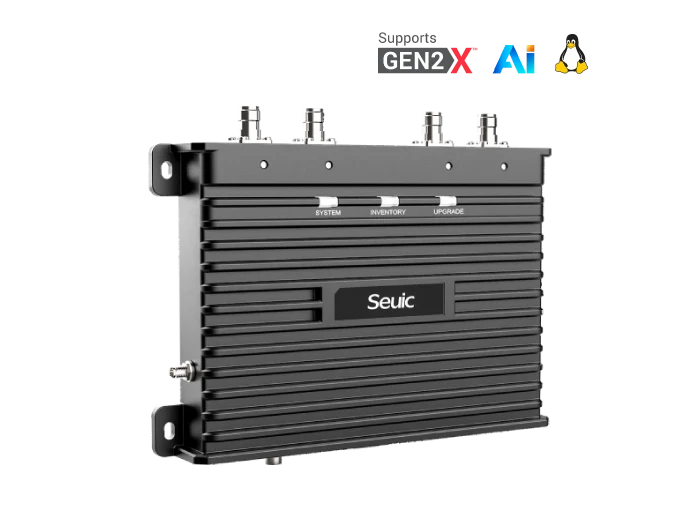
01 / Tag system
Choose the tag and placement before promising a read distance.
UHF RFID performance changes around metal, liquid, people and neighboring tags. Begin with the real asset or packaging, then compare tag constructions and placement positions. A read distance measured on cardboard in open space cannot be transferred to a metal tool cabinet or liquid container.
The identifier also needs governance. Decide who commissions the tag, which record it represents and what happens when a tag is damaged or replaced. Keep human-readable identification available so an exception can be resolved without losing the link to the business record.
Outcome-led scope
- Representative materials and asset geometry
- Tag type, placement and orientation
- EPC-to-business-record association
- Damaged, duplicate and replacement-tag process
02 / Mobile inventory
Turn many radio observations into a clear operator task.
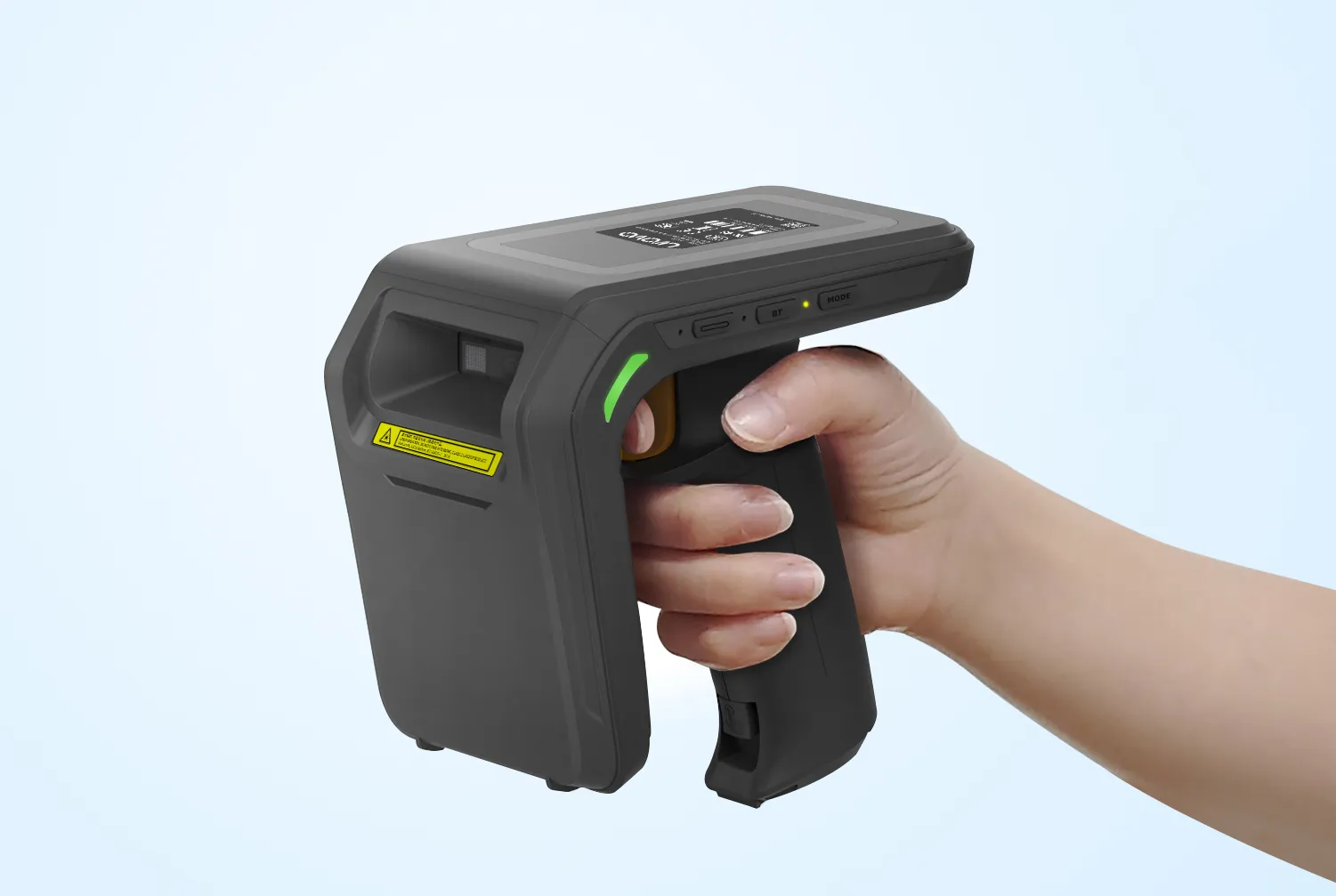
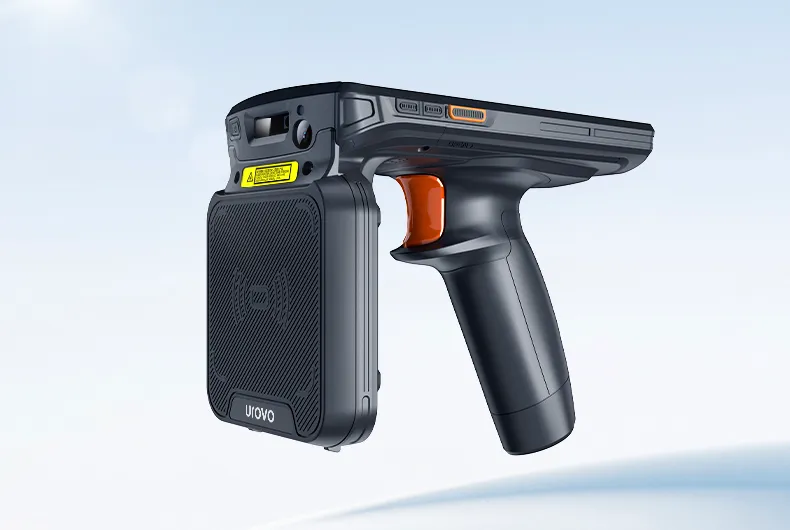
A handheld inventory screen should show progress, unexpected assets and items still missing without overwhelming the operator with repeated reads. The software needs to deduplicate observations, preserve the selected location and separate a nearby zone from the intended count.
Test the grip, weight and trigger through a complete aisle or room. Tune power and session behavior for the environment, then repeat the count with different walking directions and tag orientations. Acceptance should use measured inventory results rather than the maximum number shown by a reader.
Outcome-led scope
- Expected list and location context
- Deduplication and unexpected-tag handling
- Operator route, grip and session length
- Repeat-count accuracy under realistic density
03 / Fixed read zones
Use antennas and software rules to control where an event means movement.
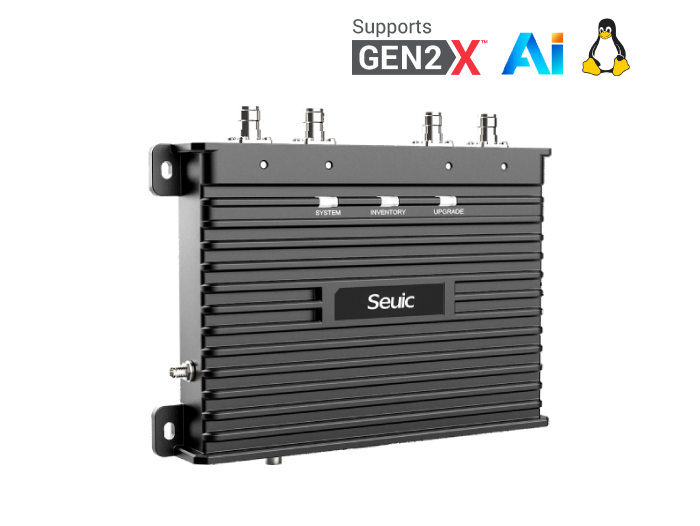
A fixed reader can see tags outside the intended doorway or miss tags shielded inside a load. Define the physical event first: entering, leaving, arriving at a workstation or crossing a custody boundary. Antenna position, power, shielding and motion then shape the zone around that event.
Reader observations should pass through filtering before they become WMS, ERP or asset transactions. Use time windows, direction logic and state rules to suppress noise while retaining an audit trail. Repeat trials with realistic traffic, tag density and neighboring zones before approval.
Outcome-led scope
- One precise movement event per read zone
- Antenna, power and shielding layout
- Filtering, direction and event-state rules
- False-read and missed-read acceptance thresholds